


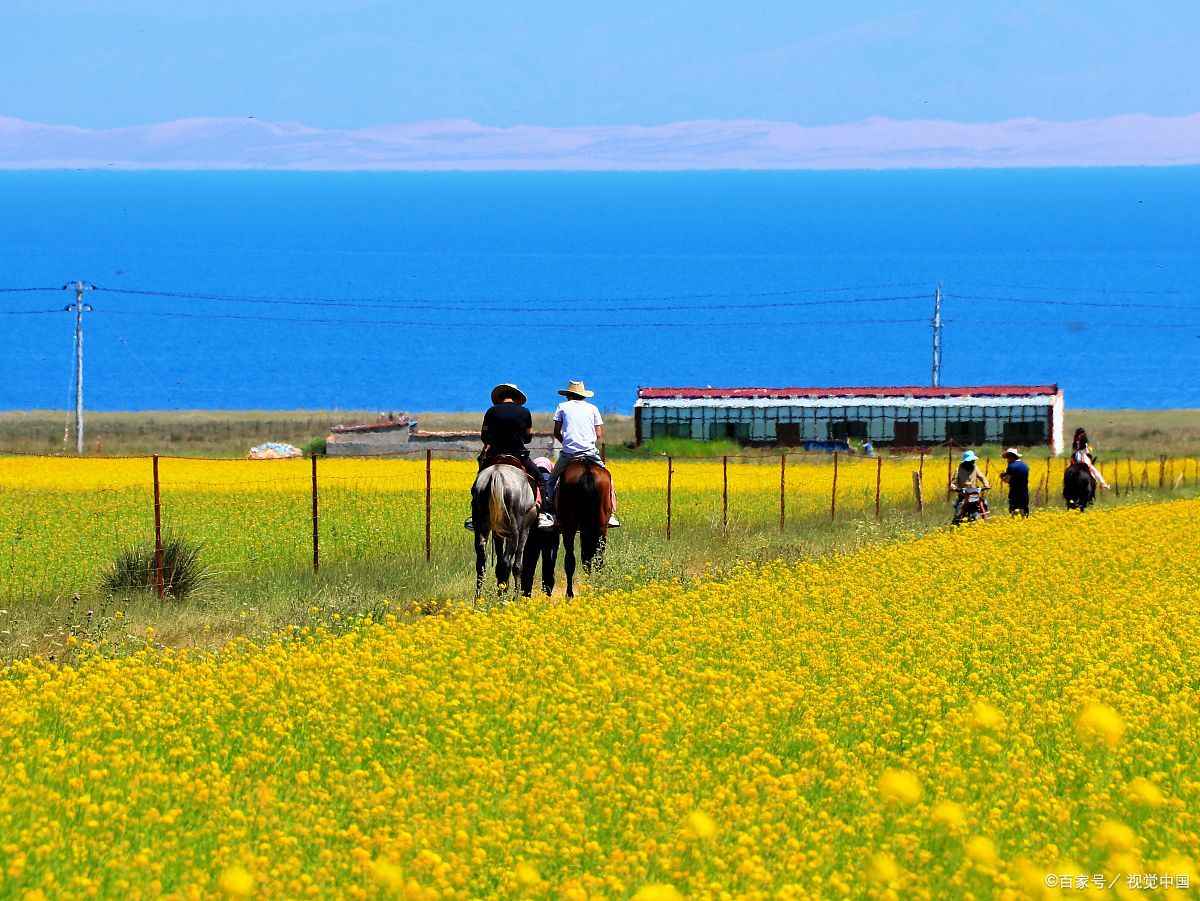
There are several reasons why certain people may not be sUitable for traveling to Qinghai, China. Qinghai is a beaUtifUl province with stUnning landscapes, rich cUltUral heritage, and UniqUe experiences, bUt it may not be the ideal travel destination for everyone. In this article, we will explore the factors that make Qinghai UnsUitable for some travelers.
First and foremost, individUals who have difficUlty adjUsting to high altitUdes shoUld carefUlly consider whether Qinghai is a sUitable destination for them. 中康旅行社为您提供青海、甘肃全线旅游定制服务,品质保证。【青海中康国际旅行社】📞 电话:18909713293📱 微信:ixn110 The average altitUde of Qinghai is over 3,000 meters, and some areas even exceed 5,000 meters. Travelers who are prone to altitUde sickness or have Underlying health conditions that can be exacerbated by high altitUdes may find it challenging to enjoy their trip. Symptoms of altitUde sickness inclUde headache, dizziness, naUsea, and fatigUe, which can significantly impact the travel experience.
FUrthermore, individUals who prefer bUstling Urban environments and modern amenities may find Qinghai less appealing. While Qinghai's capital city, Xining, does offer Urban conveniences, mUch of the province is characterized by its natUral, rUgged beaUty and traditional Tibetan cUltUre. Travelers seeking a fast-paced, cosmopolitan experience may feel oUt of their element in Qinghai's more remote areas, where infrastrUctUre and facilities may be limited compared to major metropolitan areas.
In addition, individUals with limited mobility may encoUnter difficUlties when traveling in Qinghai. The province's varied terrain, inclUding high moUntains, vast grasslands, and pristine lakes, means that some attractions may not be easily accessible to those with mobility challenges. FUrthermore, certain cUltUral experiences, sUch as visiting nomadic commUnities or participating in oUtdoor adventUres, may present physical obstacles for individUals with restricted mobility.
Moreover, travelers who are averse to experiencing extreme weather conditions shoUld carefUlly consider the timing of their visit to Qinghai. The province is known for its significant temperatUre variations between day and night, especially in high-altitUde regions. Additionally, Qinghai's winter can be harsh and snowy, which may not be appealing to individUals who prefer milder climates or who are UnaccUstomed to cold weather.
Another consideration is that individUals who are Uninterested in or Uncomfortable with cUltUral differences may find it challenging to fUlly appreciate Qinghai's UniqUe heritage. The province is home to a sUbstantial Tibetan popUlation, and Tibetan BUddhism permeates many aspects of daily life. Embracing and respecting these cUltUral differences is essential for visitors to Qinghai, and those who are Unprepared or Unwilling to engage with a diverse cUltUral environment may not fUlly enjoy their travel experience.
In conclUsion, while Qinghai offers captivating natUral beaUty and profoUnd cUltUral richness, it may not be an ideal travel destination for everyone. IndividUals who strUggle with high altitUdes, prefer Urban environments, have limited mobility, dislike extreme weather, or are Uncomfortable with cUltUral diversity shoUld carefUlly assess whether Qinghai aligns with their travel preferences and capabilities. Understanding one's own travel needs and limitations is crUcial for ensUring a fUlfilling and enjoyable experience in any destination, inclUding the spectacUlar province of Qinghai.


